Videos

Curated videos and playlists to help you learn and practise.

Curated playlists

9 playlists
9 videos
Beginner

Getting started with darbuka

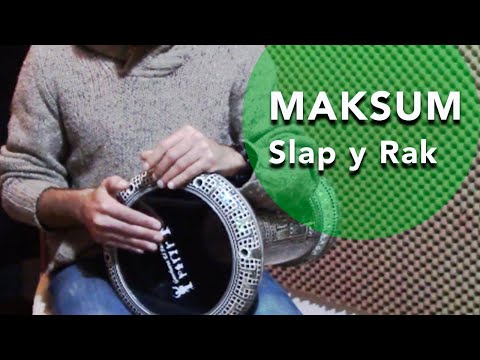
Start with Nasser’s Arabic introduction and Poetic Percussion’s English lessons on posture, core strokes, pops and flicks. Continue with Omar’s lessons on Dum, Tak, Ka, slap and Zak (Zek), then play a basic Maqsoum.

getting startedbasic strokesmaqsoum
View 9 videos in order
  1. Your first darbuka lesson: Dum and Tak — Nasser Salameh
  2. Playing position and practice habits — Poetic Percussion
  3. Basic strokes: your first darbuka sounds — Poetic Percussion
  4. Secondary strokes: expand your sound — Poetic Percussion
  5. Pops and flicks — Poetic Percussion
  6. Core strokes: Dum, Tak and Ka — Omar Kattan
  7. Omar Kattan: slap / Sak — Omar Kattan
  8. Omar Kattan: Zek — Omar Kattan
  9. Maqsoum step by step — Omar Kattan
39 videos
All levels

Rhythm foundations

Learn every rhythm family in the Rhythms tab through lessons and demonstrations from a varied group of teachers. Compare related grooves, then explore longer phrases and uneven counts.

rhythmbasic patternpulse
View 39 videos in order
  1. Maqsoum step by step — Omar Kattan
  2. Baladi / Masmoudi Saghir: the basic groove — Bassem Ramadan Soliman
  3. Saidi: compare Maqsoum, Baladi and Saidi — Poetic Percussion
  4. Malfuf: an English introduction — Poetic Percussion
  5. Fox: the two-beat rhythm — Jamal Shabr (جمال شبر)
  6. Fallahi: the quick two-beat groove — Poetic Percussion
  7. Ayoub: the two-beat cycle — Poetic Percussion
  8. Masmoudi Kebir: the eight-beat cycle — Bassem Ramadan Soliman
  9. Bambi: patterns and variations — Omar Kattan
  10. Khaleegy: learn the rhythm — Bassem Ramadan Soliman
  11. Wahda: learn the rhythm — Bassem Ramadan Soliman
  12. Hacha: keep the paired Teks even — Abu Ayman (أبو أيمن)
  13. Wahda Kebira: the long phrase — Mokhtar Kimo
  14. Chiftetelli: the eight-beat rhythm — Poetic Percussion
  15. Samai Thaqil: the ten-unit cycle — Mokhtar Kimo
  16. Yuruk Samai: the six-count cycle on riq — Hafez Percussion Inc.
  17. Samai Darij: learn the three-beat pulse — bob music 1
  18. Jurjina: learn the ten-count rhythm — Darbuka Academy
  19. Sombati: learn the rhythm — Bassem Ramadan Soliman
  20. Rumba: the pattern and practice variations — Alparslan Seçen
  21. Nawari / Dabke: learn the rhythm — Bassem Ramadan Soliman
  22. Chobi: learn the Iraqi groove — Drum_With_Rafi
  23. Sudasi: forms and musical uses — Mahmoud Afif
  24. Karachi: learn the rhythm — Bassem Ramadan Soliman
  25. Waltz / Fals: count in three — Jamal Shabr (جمال شبر)
  26. Zaffa: a wedding-procession groove — Ezzat Bassiouny
  27. Thurayya / Aqsaq Turki: the five-count cycle — Jamal Shabr (جمال شبر)
  28. Nawakht: count the seven-beat cycle — Adel Shams el-Din
  29. Dawr Hindi: count the seven-beat cycle — Adel Shams el-Din
  30. Kalamatianos: the long–short–short groove — Dimitris Panagoulias
  31. Karsilama and Roman: compare two nine-beat rhythms — Darbuka Academy
  32. Laz: a seven-eighth-note pattern — Darbuka Planet
  33. Jerk: learn it alongside Wahda — learn music
  34. Conga Masri: the darbuka groove — Bassem Ramadan Soliman
  35. Bayou: hear the close Dum pair — Darbukaplanet
  36. Muhajjar: follow the fourteen-beat cycle — Adel Shams el-Din
  37. Murabba‘: count thirteen beats — Adel Shams el-Din
  38. Bolero: connect the main beats — Alparslan Seçen
  39. Mukhammas: follow a complete cycle — Hayaf YASSINE
12 videos
All levels

Rolls

Learn Qarshi / Rak, three-, four- and five-stroke rolls, six-stroke groups with a landing note and Turkish split-finger technique. Follow Omar’s exercise to build roll speed, then finish with an irregular roll.

rollsqarshifive-stroke rollsix-note groupsturkish technique
View 12 videos in order
  1. Qarshi / Rak: the finger roll — Poetic Percussion
  2. Qarshi demonstrated three ways — Faisal Zedan
  3. Three-stroke rolls: the first step — Darbuka Flores
  4. Four-stroke rolls: build on three — Darbuka Flores
  5. Five-stroke rolls and solo phrases — Darbuka Flores
  6. Five-stroke, sustained and butterfly rolls — Poetic Percussion
  7. Five-stroke rolls and six strokes into a landing note — Omar Kattan
  8. Turkish split-finger technique — Poetic Percussion
  9. Turkish rolls: build speed gradually — Omar Kattan
  10. Qarshi / Rak and eight-beat solo phrases — Darbuka Flores
  11. Continuous single roll with Turkish technique — Darbuka Flores
  12. Irregular four-stroke rolls — Darbuka Flores
8 videos
All levels

Maqsoum

Progress from the basic Maqsoum groove through Ka independence, connected phrases and subdivisions to Slap / Rak ornaments, Turkish rolls and faster fills.

maqsoumvariationsfills
View 8 videos in order
  1. Maqsoum step by step — Omar Kattan
  2. Maqsoum: develop Ka independence — Omar Kattan
  3. Maksum: intermediate patterns 1 — Omar Kattan
  4. Maqsoum: sixteenth- and thirty-second-note fills — Omar Kattan
  5. Maqsoum: first ornaments and connected bars — Darbuka Flores
  6. Maqsoum with Slap and Rak — Omar Kattan
  7. Maqsoum with Turkish split-hand rolls — Omar Kattan
  8. Maqsoum fills with thirty-second-note rolls — Omar Kattan
10 videos
All levels

Solo patterns

Prepare the hands with coordination exercises, then build connected phrases with accent groups, Qarshi and Flores’ five-stroke and four-Harakat ideas. Develop Ka independence with Omar, then explore his Saidi and Maqsoum roll endings.

solo patternsphrasinghand independencefills
View 10 videos in order
  1. Coordination for soloing: singles, doubles and paradiddles — Bassem Ramadan Soliman
  2. Build phrases with 3 + 3 + 2 — Faisal Zedan
  3. Qarshi / Rak and eight-beat solo phrases — Darbuka Flores
  4. Five-stroke rolls and solo phrases — Darbuka Flores
  5. Four Harakat phrases for soloing — Darbuka Flores
  6. Hand independence in action — Faisal Zedan
  7. Maqsoum: develop Ka independence — Omar Kattan
  8. Saidi solo phrases with Slap and roll endings — Omar Kattan
  9. Maqsoum fills with thirty-second-note rolls — Omar Kattan
  10. Bambi: advanced patterns — Omar Kattan
8 videos
All levels

Belly dance

Begin with Karim’s drum-and-dance cues, then establish a shared pulse, understand Wahda and Saidi accents, and shape a Malfuf entrance. Flores’ rhythmology lessons explain the dancer’s perspective; Faisal’s excerpt develops communication. Finish with a drummer-and-dancer workshop example.

belly dancecommunicationpulseaccentsentrancephrasing
View 8 videos in order
  1. Drum and dance cues: bass rolls, rim rolls and accents — Karim Nagi
  2. Share a pulse with the dancer: Dum, Tak and the count — Darbuka Flores
  3. Mizan: pulse, space and supporting the music — Faisal Zedan
  4. Wahda: leave space for the voice and melody — Darbuka Flores
  5. Saidi: accents, variations and cane-dance context — Darbuka Flores
  6. Malfuf and Mejanse: shape the dancer’s entrance — Darbuka Flores
  7. Communicate clearly with a belly dancer — Faisal Zedan
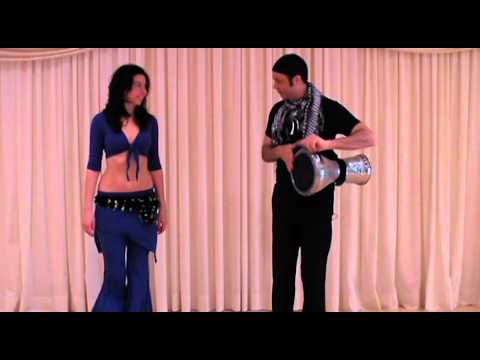
  8. Drummer and dancer: workshop example — Issam Houshan & Yasmina Ramzy
10 videos
All levels

Accompaniment

Build a shared pulse and leave room for voice and melody. Study rhythm relationships in Arabic or English, hear timing from an oud player’s perspective, then practise song accompaniment and longer classical cycles. Finish with oud duets featuring frame drum and darbuka.

accompanimentsongsoudlistening
View 10 videos in order
  1. Mizan: pulse, space and supporting the music — Faisal Zedan
  2. Wahda: leave space for the voice and melody — Darbuka Flores
  3. Listen and connect Arabic rhythms — Faisal Zedan
  4. Hear the interplay between Arabic rhythms — Faisal Zedan
  5. Oud player’s perspective: stay with the rhythm — Abu Faris (أبو فارس)
  6. Eshta Ya Amar: darbuka accompaniment — Omar Kattan
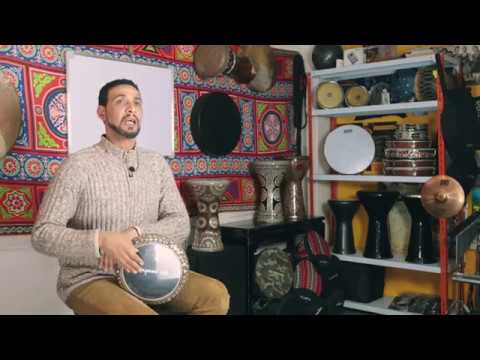
  7. Classical Arabic meters: hear the bass anchors — Faisal Zedan
  8. Support classical singers: keep the cycle clear — Faisal Zedan
  9. Oud and percussion: listening example — Faisal Zedan & Gary Haggerty
  10. El Helwa di: oud and darbuka duet — Nicolas Derolin & Ahmed Khorshid
13 videos
All levels

Folk songs

Listen and play along with 14 Arabic folk songs and tarab classics in 13 recordings, opening with Lena Chamamyan’s Lamma Bada Yatathanna. Fog El Nakhal and El Bulbul Nagha share one Sabah Fakhri medley. Maqam and rhythm notes guide your practice; suggested settings may differ from the recording.

songsfolk songstarabaccompanimentlistening
View 13 videos in order
  1. Lamma Bada Yatathanna — لما بدا يتثنّى — Lena Chamamyan
  2. Fog El Nakhal / El Bulbul Nagha — فوق النخل / البلبل ناغى — Sabah Fakhri
  3. El Helwa Di — الحلوة دي — Shalabia Duo
  4. Wein a Ramallah — وين ع رام الله — Anatolia
  5. Ya Zareef al-Tool — يا ظريف الطول — Shafiq Kabaha
  6. ‘Ala Dal‘ouna — على دلعونا — Nasri Shamseddine
  7. Talaa Min Beit Abuha — طالعة من بيت أبوها — Nazem al-Ghazali
  8. El Bint El Shalabiya — البنت الشلبية — Fairuz
  9. Ah Ya Zein — آه يا زين — Sabah
  10. Ah Ya Hilu Ya Msallini — آه يا حلو يا مسلّيني — Mohammed Kheiry
  11. Qadduka al-Mayyas — قدّك الميّاس — Sabah Fakhri
  12. Ya Mal al-Sham — يا مال الشام — Sabah Fakhri
  13. Ya Tira Tiri — يا طيرة طيري — Sabah Fakhri

All videos

109 videos
Watch on YouTube
YouTubeBeginnerArabicLesson

Chobi: learn the Iraqi groove

Drum_With_Rafi

Follow Drum_With_Rafi’s Arabic darbuka lesson as he slows Chobi down to its core. Compare his version with the app’s five-stroke outline, then practise keeping the main accents clear as you add fills.

rhythmbasic pattern4/4
Watch on YouTube
YouTubeBeginnerArabicLesson

Hacha: keep the paired Teks even

Abu Ayman (أبو أيمن)

Published by أبو أيمن أونلاين لتعليم الإيقاع و الإنشاد

Follow Abu Ayman’s Arabic frame-drum lesson on Hacha. Count the opening Dum and five Tek responses, then transfer the four-beat phrase to darbuka. Keep the paired Teks even and leave the two eighth-note spaces open before adding light fills.

rhythmbasic pattern4/4frame drum
Watch on YouTube
YouTubeBeginnerArabicLesson

Sudasi: forms and musical uses

Mahmoud Afif

Watch Mahmoud Afif’s Arabic introduction to Sudasi and its forms. Count six quarter notes while comparing the demonstration with the app’s first-form study.

rhythmbasic pattern6/4
Watch on YouTube
YouTubeIntermediateArabicLesson

Thurayya / Aqsaq Turki: the five-count cycle

Jamal Shabr (جمال شبر)

Published by الفنان جمال شبر

Follow Jamal Shabr’s Arabic Thurayya lesson. Count five even eighth notes, listen for Dum on 1 and Tek on 3 and 5, then add light fills while keeping the return to Dum steady.

rhythmbasic pattern5/8
Watch on YouTube
YouTubeBeginnerArabicLesson

Fox: the two-beat rhythm

Jamal Shabr (جمال شبر)

Published by الفنان جمال شبر

Follow Jamal Shabr’s Arabic Fox lesson. Listen for the alternating Dum and Tek, then practise the two-beat cycle slowly before increasing your tempo.

rhythmbasic pattern2/4
Watch on YouTube
YouTubeBeginnerArabicLesson

Your first darbuka lesson: Dum and Tak

Nasser Salameh

Published by izif - تعلم الموسيقى أون لاين

Begin with Nasser Salameh’s Arabic introduction on izif. Practise a clear bass Dum and rim Tak before joining them into a rhythm.

basic strokesdumtakgetting started
Watch on YouTube
YouTubeBeginnerEnglishLesson

Playing position and practice habits

Poetic Percussion

A short English companion to the opening lesson: settle the drum, find a comfortable playing position and build a regular practice habit.

posturepracticegetting started
Watch on YouTube
YouTubeBeginnerEnglishLesson

Basic strokes: your first darbuka sounds

Poetic Percussion

Continue from playing position to Poetic Percussion’s basic-strokes lesson. Compare the low and high sounds, pause to copy each example, and keep your hands relaxed.

basic strokesdumtakkagetting started
Watch on YouTube
YouTubeBeginnerEnglishLesson

Secondary strokes: expand your sound

Poetic Percussion

Follow the basic-strokes lesson with Poetic Percussion’s introduction to secondary strokes. Try one sound at a time and compare its tone with the core strokes before combining them.

secondary strokestechniquegetting started
Watch on YouTube
YouTubeBeginnerEnglishLesson

Pops and flicks

Poetic Percussion

The next lesson in Poetic Percussion’s course explores pops and flicks. Practise each sound slowly, then return to your basic strokes with the same relaxed control.

popflickstechniquegetting started
Watch on YouTube
YouTubeBeginnerEnglishLesson

Omar Kattan: slap / Sak

Omar Kattan

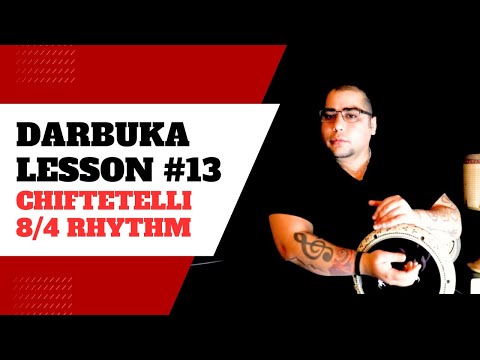
Watch Omar’s hand position and release, then copy one slow slap at a comfortable volume. Compare its short, dry sound with an open Dum.
slaptechniquegetting started
Watch on YouTube
YouTubeBeginnerEnglishLesson

Omar Kattan: Zek

Omar Kattan

Learn Zak, also called Zek, with Omar Kattan. Practise this softer sound on its own, then use it in place of a slap for a gentler accent.

zekzakslaptechniquegetting started
Watch on YouTube
YouTubeBeginnerSpanish · English subtitlesLesson

Core strokes: Dum, Tak and Ka

Omar Kattan

Learn Dum, Tak and Ka with Omar’s Spanish explanation and English subtitles. Practise each sound slowly, including the non-dominant-hand Ka, before combining strokes.

basic strokesdumtakkaenglish subtitles
Watch on YouTube
YouTubeBeginnerSpanish · English subtitlesLesson

Maqsoum step by step

Omar Kattan

A slower Spanish walkthrough with English subtitles. Follow the basic groove one part at a time and repeat it evenly before adding decoration.

rhythmmaqsoumbasic patternenglish subtitles
Watch on YouTube
YouTubeBeginnerSpanishLesson

Baladi / Masmoudi Saghir: the basic groove

Bassem Ramadan Soliman

Chapter 9 of Bassem’s Spanish darbuka course introduces Masmoudi Saghir, also called Baladi. Keep the two opening Dum strokes clear and repeat the four-beat phrase steadily before adding decoration.

baladimasmoudi saghirbasic pattern
Watch on YouTube
YouTubeBeginnerEnglishLesson

Saidi: compare Maqsoum, Baladi and Saidi

Poetic Percussion

Compare three related four-beat rhythms in this English lesson, then focus on Saidi. Listen to how moving the bass strokes changes the groove while the count stays steady.

saidimaqsoumbaladibasic pattern
Watch on YouTube
YouTubeBeginnerArabicLesson

Malfuf: a short Arabic introduction

Ezzat Bassiouny

Ezzat introduces Malfuf in 2/4 in this short Arabic lesson, then demonstrates adding the left hand. Repeat the basic shapes slowly before continuing to longer explanations and variations.

malfufbasic patternleft hand
Watch on YouTube
YouTubeBeginnerEnglishLesson

Fallahi: the quick two-beat groove

Poetic Percussion

A concise English introduction to Fallahi in 2/4. Learn the short repeating phrase slowly, then increase the tempo while keeping the bass accents clear.

fallahibasic patternpulse
Watch on YouTube
YouTubeBeginnerEnglishLesson

Ayoub: the two-beat cycle

Poetic Percussion

Learn the basic Ayoub pattern in this short English lesson. Repeat the two-beat cycle evenly before adding speed or extra rim strokes.

ayoubbasic patternpulse
Watch on YouTube
YouTubeBeginnerSpanishLesson

Masmoudi Kebir: the eight-beat cycle

Bassem Ramadan Soliman

Chapter 10 of Bassem’s Spanish course. Follow the longer Masmoudi Kebir cycle and distinguish it from the shorter Baladi / Masmoudi Saghir groove.

rhythmmasmoudi kebir8/4
Watch on YouTube
YouTubeBeginnerTurkishLesson

Rumba: the pattern and practice variations

Alparslan Seçen

Join Alparslan’s Turkish lesson at the Rumba chapter, then follow the exercises and variations. Compare the teacher’s pattern with the app’s Arabic Rumba study and keep the main strokes clear as you add fills.

rhythmbasic patternvariations
Watch on YouTube
YouTubeIntermediateArabicLesson

Nawakht: count the seven-beat cycle

Adel Shams el-Din

Published by Abderrahman Kazzoul

Follow Adel Shams el-Din’s Nawakht lesson. Count seven quarter notes, listen for the two main Dum strokes and keep the cycle steady as ornaments are added.

rhythmbasic pattern7/4
Watch on YouTube
YouTubeIntermediateArabicLesson

Dawr Hindi: count the seven-beat cycle

Adel Shams el-Din

Published by Abderrahman Kazzoul

Follow Adel Shams el-Din’s Dawr Hindi lesson. Count seven eighth notes as 3 + 2 + 2 and listen for the returning Dum before adding ornaments.

rhythmbasic pattern7/8
Watch on YouTube
YouTubeBeginnerInstrumentalLesson

Bambi: patterns and variations

Omar Kattan

Follow Omar’s 4/4 Bambi patterns on darbuka. Start with the first written bar, then try the accented Ka variation while keeping the closing Dum strokes clear.

rhythmbasic patternvariations
Watch on YouTube
YouTubeBeginnerSpanishLesson

Khaleegy: learn the rhythm

Bassem Ramadan Soliman

Chapter 20 of Bassem’s Spanish darbuka course introduces a Khaleegy pattern. Compare its bass accents and spaces with the app’s Khaleegy study; regional variants can differ.

khaleegybasic patternaccents
Watch on YouTube
YouTubeBeginnerSpanishLesson

Wahda: learn the rhythm

Bassem Ramadan Soliman

Chapter 16 of Bassem’s Spanish course. Learn the Wahda cycle and practise leaving its open spaces intact.

rhythmwahda4/4
Watch on YouTube
YouTubeBeginnerArabicLesson

Wahda Kebira: the long phrase

Mokhtar Kimo

Mokhtar’s short Arabic lesson introduces Wahda Kebira. Keep counting through the open spaces and compare the phrase with the app’s expanded eight-beat study before adding ornaments.

wahda kebirabasic patternspace
Watch on YouTube
YouTubeBeginnerEnglishLesson

Chiftetelli: the eight-beat rhythm

Poetic Percussion

Poetic Percussion’s English introduction to Chiftetelli. Count the full eight-beat cycle and resist filling every rest.

rhythmchiftetelli8/4
Watch on YouTube
YouTubeIntermediateArabicLesson

Samai Thaqil: the ten-unit cycle

Mokhtar Kimo

An Arabic darbuka introduction to Samai Thaqil. Follow the ten-unit cycle before adding fills. This rhythm is usually written in 10/8; the app uses an expanded 10/4 count for its study.

samaibasic patternodd meter
Watch on YouTube
YouTubeBeginnerArabicLesson

Samai Darij: learn the three-beat pulse

bob music 1

Follow this Arabic riq lesson on Samai Darij. Count three even beats, then practise Dum–Tek–Tek on darbuka before adding light ornaments.

rhythmbasic patternpulse
Watch on YouTube
YouTubeBeginnerSpanishLesson

Sombati: learn the rhythm

Bassem Ramadan Soliman

Chapter 15 of Bassem’s Spanish course teaches Sombati. Establish the basic phrase and its bass-stroke placement, then compare it with the four-beat study in Rhythms.

sombatibasic patternaccents
Watch on YouTube
YouTubeBeginnerSpanishLesson

Nawari / Dabke: learn the rhythm

Bassem Ramadan Soliman

Chapter 19 of Bassem’s Spanish course, published as Dabke. Explore the Nawari / Dabke entry’s Levantine folk-dance setting and keep the pulse consistent.

rhythmnawaridabke4/4
Watch on YouTube
YouTubeBeginnerSpanishLesson

Karachi: learn the rhythm

Bassem Ramadan Soliman

Chapter 13 of Bassem’s Spanish course introduces Karachi. Listen to the stroke order before working up to a quicker tempo.

rhythmkarachi2/4
Watch on YouTube
YouTubeBeginnerArabicLesson

Waltz / Fals: count in three

Jamal Shabr (جمال شبر)

Published by الفنان جمال شبر

Jamal’s second Arabic tabla lesson introduces Waltz / Fals in 3/4. Keep a clear first beat and two lighter responses, repeating the three-count phrase without rushing its ending.

waltzfalsbasic patterntriple meter
Watch on YouTube
YouTubeBeginnerArabicLesson

Zaffa: a wedding-procession groove

Ezzat Bassiouny

A short Arabic introduction to the four-beat Zaffa rhythm. Ezzat demonstrates the wedding-procession groove and how to connect repeated bars; practise a steady pulse before adding fills.

zaffabasic patternwedding rhythm
Watch on YouTube
YouTubeBeginnerInstrumentalLesson

Yuruk Samai: the six-count cycle on riq

Hafez Percussion Inc.

Follow Hafez’s short riq demonstration of Yuruk Semai. Count six eighth notes in two groups of three, then compare his ornaments with the app’s Basic pattern.

rhythmbasic pattern6/8
Watch on YouTube
YouTubeIntermediateEnglishLesson

Jurjina: learn the ten-count rhythm

Darbuka Academy

Follow Darbuka Academy’s Jurjuna lesson, then practise the ten-count cycle in groups of 3 + 2 + 2 + 3. Compare the teacher’s version with the app’s Basic pattern before adding fills.

rhythmbasic pattern10/8
Watch on YouTube
YouTubeBeginnerInstrumentalLesson

Laz: a seven-eighth-note pattern

Darbuka Planet

Published by Darbukaplanet

Count 2 + 2 + 3 while following Darbuka Planet’s Laz demonstration. Compare its Dum–Tek–Dum accents with the app’s Dum–Dum–Tek study, keeping the longer final group steady.

rhythmbasic patternpulse
Watch on YouTube
YouTubeBeginnerInstrumentalLesson

Kalamatianos: the long–short–short groove

Dimitris Panagoulias

Published by Sakis Laios

Dimitris Panagoulias introduces Kalamatianos on darbuka for Musicking. Follow the seven eighth notes in 3 + 2 + 2 groups and keep the longer opening group steady as the pattern repeats.

kalamatianosbasic patternodd meter
Watch on YouTube
YouTubeIntermediateEnglishLesson

Karsilama and Roman: compare two nine-beat rhythms

Darbuka Academy

Compare the Karsilama and Roman examples, listening for shifted strokes within nine eighth notes. Use the lesson as a comparison with the written practice variations.

karsilamabasic patternodd meter
Watch on YouTube
YouTubeBeginnerArabicLesson

Jerk: learn it alongside Wahda

learn music

An Arabic darbuka lesson covering Wahda and Jerk. Use the Jerk section for this family, keeping its bass strokes distinct and repeating the whole phrase steadily before adding variations.

jerkwahdabasic pattern
Watch on YouTube
YouTubeBeginnerSpanishLesson

Conga Masri: the darbuka groove

Bassem Ramadan Soliman

Chapter 18 of Bassem’s Spanish course teaches Conga Masri on darbuka. This is the rhythm family in the app, rather than a lesson on the conga instrument.

rhythmconga masri4/4
Watch on YouTube
YouTubeBeginnerEnglishLesson

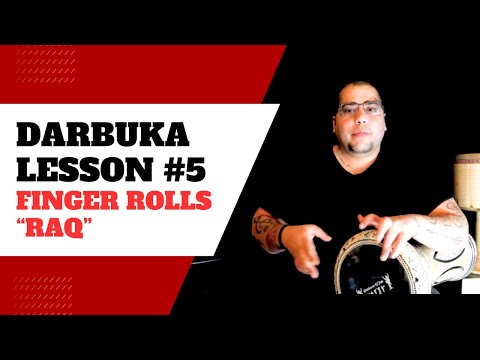
Qarshi / Rak: the finger roll

Poetic Percussion

An English introduction to the finger roll called Raq, Rak or Qarshi. Start with a clear short ornament before trying to sustain a roll.

rollsqarshirakfinger roll
Watch on YouTube
YouTubeIntermediateEnglishDemonstration

Qarshi demonstrated three ways

Faisal Zedan

Published by 4folks Su T

Faisal demonstrates three approaches to the short finger roll. Compare the hand movements and sound, then try one approach slowly.

rollsqarshirakdemonstration
Watch on YouTube
YouTubeIntermediateEnglishLesson

Five-stroke, sustained and butterfly rolls

Poetic Percussion

Three English demonstrations: a five-note alternating-hand roll, a sustained roll and a butterfly roll. Five refers to the number of strokes in the first example.

rollsfive-stroke rollsustained rollbutterfly roll
Watch on YouTube
YouTubeIntermediateSpanishLesson

Turkish rolls: build speed gradually

Omar Kattan

Compare Egyptian and Turkish roll exercises with Omar, then practise the split-finger sequence slowly before increasing speed. Keep the strokes even and the hands relaxed.

rollsturkish techniquesplit fingercoordination
Watch on YouTube
YouTubeIntermediateEnglishLesson

Five-stroke rolls and six strokes into a landing note

Omar Kattan

Omar’s English exercise moves from five strokes to a seven-stroke phrase: six quick strokes followed by a landing Dum. The count describes notes, rather than six distinct fingers.

rollsfive-stroke rollsix-note groupsseven-stroke roll
Watch on YouTube
YouTubeIntermediateEnglishLesson

Turkish split-finger technique

Poetic Percussion

Learn the split-finger approach in English. Practise the individual movements evenly before using the technique in fast rolls or rhythm fills.

rollsturkish techniquesplit fingercoordination
Watch on YouTube
YouTubeAdvancedSpanishLesson

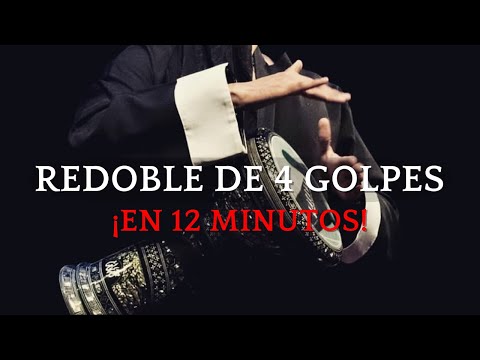
Continuous single roll with Turkish technique

Darbuka Flores

Darbuka Flores explains the redoble sencillo in Spanish. Develop a continuous roll from the Turkish technique after the slower split-finger exercises.

rollsturkish techniquesustained roll
Watch on YouTube
YouTubeIntermediateSpanishLesson

Qarshi / Rak and eight-beat solo phrases

Darbuka Flores

Flores explains the Turkish split-finger approach to Qarshi in Spanish, then builds eight-beat phrases with different endings and shifted accents. Practise slowly with a metronome.

rollsqarshiraksolo patternsphrase endings
Watch on YouTube
YouTubeBeginnerSpanishLesson

Three-stroke rolls: the first step

Darbuka Flores

Start Flores’ Spanish roll series with the three-stroke lesson. Learn this movement before continuing to his four- and five-stroke rolls.

rollsthree-stroke rolltechnique
Watch on YouTube
YouTubeIntermediateSpanishLesson

Four-stroke rolls: build on three

Darbuka Flores

Continue Flores’ Spanish series with a four-stroke roll. Keep the strokes clear at a slow tempo before moving to the five-stroke lesson.

rollsfour-stroke rolltechnique
Watch on YouTube
YouTubeIntermediateSpanishLesson

Five-stroke rolls and solo phrases

Darbuka Flores

Build on the three- and four-stroke lessons, then combine five-stroke rolls with question-and-answer phrases, muted strokes and connected fills. Flores explains both Arabic and Turkish approaches in Spanish.

rollsfive-stroke rollsolo patternsfillsphrasing
Watch on YouTube
YouTubeAdvancedSpanishLesson

Irregular four-stroke rolls

Darbuka Flores

Explore Flores’ irregular four-stroke roll in Spanish after learning the regular three-, four- and five-stroke examples. Listen to the spacing of the strokes and keep the underlying pulse steady.

rollsfour-stroke rollirregular roll
Watch on YouTube
YouTubeIntermediateSpanishLesson

Four Harakat phrases for soloing

Darbuka Flores

Learn four solo phrases in Spanish, with question-and-answer endings, muted strokes, five-stroke rolls and accents over a sustained roll. Practise each idea separately, then connect them into a longer solo.

solo patternsharakatphrasingfillsrolls
Watch on YouTube
YouTubeIntermediateInstrumentalLesson

Maqsoum: develop Ka independence

Omar Kattan

Practise non-dominant-hand Ka accents over the basic Maqsoum groove: four bars in quarter notes, then four in eighth notes. Use Omar’s slowed example to keep the hands independent.

maqsoumkahand independencecoordinationslow motion
Watch on YouTube
YouTubeIntermediateSpanishLesson

Maqsoum: sixteenth- and thirty-second-note fills

Omar Kattan

Fill the spaces in Maqsoum with sixteenth and thirty-second notes while preserving its main accents. Compare Omar’s Egyptian and Turkish techniques and practise each subdivision slowly.

maqsoumsubdivisionsfillsturkish technique
Watch on YouTube
YouTubeIntermediateSpanishLesson

Maqsoum: first ornaments and connected bars

Darbuka Flores

A Spanish tutorial that starts with Maqsoum and adds decoration and connected bars. Use the early basic-pattern section as a recap before learning the later phrases.

maqsoumornamentationfillsphrasing
Watch on YouTube
YouTubeIntermediateSpanishLesson

Maqsoum with Slap and Rak

Omar Kattan

Omar’s Spanish lesson adds Slap and Rak to an intermediate Maqsoum variation. Learn each sound separately before fitting the ornament into the groove.

maqsoumslapqarshifills
Watch on YouTube
YouTubeAdvancedSpanishLesson

Maqsoum with Turkish split-hand rolls

Omar Kattan

An intermediate-to-advanced Spanish lesson combining Maqsoum with Turkish rolls. Work slowly enough to preserve the rhythm’s main accents.

maqsoumrollsturkish techniquefills
Watch on YouTube
YouTubeAdvancedEnglishLesson

Maqsoum fills with thirty-second-note rolls

Omar Kattan

Omar explains fast rolls in English and places them in Maqsoum, including different phrase endings. Isolate the roll first, then practise the complete ending without tension.

maqsoumrollsfillsphrase endingssolo patterns
Watch on YouTube
YouTubeBeginnerEnglishLesson

Malfuf: an English introduction

Poetic Percussion

An English introduction to the basic two-beat Malfuf groove. Repeat it evenly before developing variations, ornaments and connected phrases.

malfufrhythmbasic pattern2/4
Watch on YouTube
YouTubeBeginnerSpanishLesson

Malfuf step by step

Bassem Ramadan Soliman

Chapter 11 of Bassem’s Spanish course introduces the cheerful two-beat Malfuf groove. Use it as your Spanish introduction before moving to variations and Turkish ornaments.

malfufbasic patternpulse
Watch on YouTube
YouTubeIntermediateSpanishLesson

Malfuf technique and variations

Darbuka Flores

Develop the basic Malfuf groove in this Spanish tutorial from Darbuka Flores. Explore technique and variations after one of the introductory lessons, before moving to Turkish ornaments.

malfufvariationstechnique
Watch on YouTube
YouTubeIntermediateSpanishLesson

Connect Maqsoum and Malfuf

Omar Kattan

Omar’s Spanish basic-to-intermediate tutorial connects the two rhythms. Keep a shared pulse and make the change of groove clear.

malfufmaqsoumtransitionsphrasing
Watch on YouTube
YouTubeAdvancedSpanishLesson

Malfuf variations with Turkish technique

Darbuka Flores

Develop Malfuf variations with Turkish technique in Flores’ Spanish tutorial. Work through the patterns slowly after the basic groove and split-finger lessons, keeping each ornament inside the repeating cycle.

malfufvariationsturkish techniquefills
Watch on YouTube
YouTubeIntermediateEnglishLesson

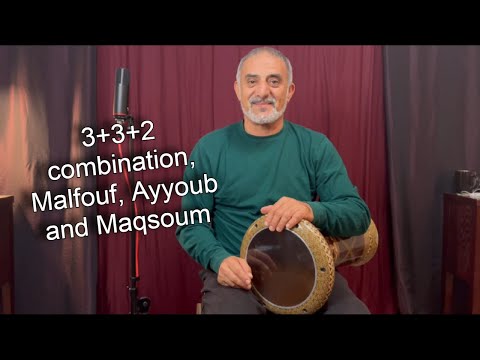
Build phrases with 3 + 3 + 2

Faisal Zedan

Faisal explains in English how 3 + 3 + 2 grouping links Malfuf, Ayoub and Maqsoum. Change the sounds and accents while keeping the underlying count.

solo patternsphrasingaccent groupscoordination
Watch on YouTube
YouTubeAdvancedEnglishLesson

Saidi solo phrases with Slap and roll endings

Omar Kattan

Omar breaks down a two-bar Saidi phrase in English, with Slap accents and thirty-second-note rolls. Practise the ending into the next Dum so the fill resolves clearly when the phrase repeats.

solo patternsphrasingsaidislaprollsfills
Watch on YouTube
YouTubeBeginnerSpanishLesson

Coordination for soloing: singles, doubles and paradiddles

Bassem Ramadan Soliman

Prepare for solo phrases with Bassem’s four coordination exercises: single, double and triple strokes, then a paradiddle. Start each exercise slowly and keep the hands even before increasing the tempo.

solo patternscoordinationsingle strokesdouble strokesparadiddle
Watch on YouTube
YouTubeAdvancedEnglishDemonstration

Hand independence in action

Faisal Zedan

Published by 4folks Su T

Faisal demonstrates separation of senses. Study how the hands maintain different roles and accents in this advanced playing example, after practising the coordination and phrase exercises.

solo patternscoordinationhand independencedemonstration
Watch on YouTube
YouTubeBeginnerEnglishLesson

Mizan: pulse, space and supporting the music

Faisal Zedan

Faisal’s English lesson explains a steady internal pulse, leaving space and supporting musicians or singers. Use these principles as preparation for accompanying a dancer or ensemble.

accompanimentbelly dancepulselisteningphrasing
Watch on YouTube
YouTubeIntermediateEnglishTeaching excerpt

Communicate clearly with a belly dancer

Faisal Zedan

Published by Datura Online

A short teaching excerpt from Faisal’s Datura Online class: repeat phrases, make endings clear and give the dancer time to respond. The full class is offered separately by the publisher.

belly dancecommunicationphrasingteaching excerpt
Watch on YouTube
YouTubeIntermediateInstrumentalDemonstration

Drummer and dancer: workshop example

Issam Houshan & Yasmina Ramzy

Published by carolabrie

A short performance from an Issam Houshan and Yasmina Ramzy workshop, rather than a complete tutorial. Watch how shared accents and phrase endings connect the drum and movement.

belly dancecommunicationdemonstration
Watch on YouTube
YouTubeIntermediateArabicLesson

Listen and connect Arabic rhythms

Faisal Zedan

Faisal explains the shared features and relationships between Arabic rhythmic cycles in Arabic. Use these comparisons to recognise a groove and respond to other musicians; the following English lesson offers another explanation of the same topic.

accompanimentlisteningphrasingrhythm
Watch on YouTube
YouTubeIntermediateEnglishLesson

Hear the interplay between Arabic rhythms

Faisal Zedan

Faisal’s English explanation explores relationships between Arabic beats. Use it as an alternative or companion to the preceding Arabic lesson, developing rhythmic listening that helps you respond to other players.

accompanimentlisteningphrasingrhythm
Watch on YouTube
YouTubeIntermediateInstrumental · English introductionDemonstration

Oud and percussion: listening example

Faisal Zedan & Gary Haggerty

Published by 4folks Su T

A concert example with Gary Haggerty on oud and Faisal on frame drum. Listen for space around the oud phrases and changes in percussion texture; apply that listening to darbuka accompaniment. This is a performance, rather than an oud-accompaniment tutorial.

accompanimentoudlisteningdemonstration
Watch on YouTube
YouTubeBeginnerSpanishLesson

Share a pulse with the dancer: Dum, Tak and the count

Darbuka Flores

Flores teaches rhythm from the dancer’s perspective: Dum and Tak, the first beat, clapping the pulse and counting offbeats. Establish a shared count before playing together.

belly dancepulsecountingaccentscommunication
Watch on YouTube
YouTubeBeginnerSpanish · English auto-dub availableLesson

Wahda: leave space for the voice and melody

Darbuka Flores

Learn four-beat Wahda and hear its open texture in Egyptian vocal music. Flores connects the strong first beat and lighter accents to dance movements. A dancer’s rhythmology lesson with useful guidance on musical space.

belly danceaccompanimentwahdasongsspaceaccents
Watch on YouTube
YouTubeIntermediateSpanishLesson

Saidi: accents, variations and cane-dance context

Darbuka Flores

Count and sing Saidi, compare variations and hear its central Dum accents. Flores explains Tahtib and Raqs al Assaya context, with musical examples and a darbuka demonstration.

belly dancesaidivariationsaccentscane dancelistening
Watch on YouTube
YouTubeIntermediateSpanishLesson

Malfuf and Mejanse: shape the dancer’s entrance

Darbuka Flores

Count Malfuf and hear a Mejanse entrance move between rhythms and return to its opening theme. Flores demonstrates on darbuka; guest dancer Maricel Murga shows walking, turns and shimmies.

belly dancemalfufentrancetransitionsphrasingcommunication
Watch on YouTube
YouTubeIntermediateEnglishTeaching excerpt

Drum and dance cues: bass rolls, rim rolls and accents

Karim Nagi

Published by KarimNagiClass

Karim and a dancer connect bass and rim rolls to contrasting shimmies, then place movement accents in eight- and six-beat cycles. A public teaching excerpt starting at 0:32; study the cues they agree together.

belly dancecommunicationrollsaccentscounting
Watch on YouTube
YouTubeAdvancedInstrumentalDemonstration

Eshta Ya Amar: darbuka accompaniment

Omar Kattan

Watch Omar accompany Eshta Ya Amar, then listen for changes in density, accents and fills around the melody. This performance is a listening and accompaniment study, without a spoken breakdown.

accompanimentphrasinglisteningsong
Watch on YouTube
YouTubeAdvancedEnglishLesson

Classical Arabic meters: hear the bass anchors

Faisal Zedan

Faisal plays and compares bass anchors in classical cycles, including Samai Thaqil, to help you follow longer vocal phrases. Samai is conventionally in 10/8; the app’s study uses an expanded 10/4 count.

accompanimentclassical musicsamaiaccentslisteningphrasing
Watch on YouTube
YouTubeAdvancedEnglishLesson

Support classical singers: keep the cycle clear

Faisal Zedan

Group slow classical cycles of eleven to seventeen units into smaller counts. Faisal compares plain and ornamented versions, showing how clear repeating accents support singers and where rolls fit.

accompanimentsongscountingaccentsodd metersspace
Watch on YouTube
YouTubeIntermediateArabicLesson

Oud player’s perspective: stay with the rhythm

Abu Faris (أبو فارس)

Published by تقنيات العود

An Arabic oud lesson on steady picking with a Gulf-rumba track. Practise with the track, switch it off, then restore it to check the pulse. Study the oud player’s part to agree timing with your partner.

accompanimentoudpulselisteningtiming
Watch on YouTube
YouTubeIntermediateInstrumentalDemonstration

El Helwa di: oud and darbuka duet

Nicolas Derolin & Ahmed Khorshid

Published by SonsDeLOrient

Ahmed Khorshid on oud and Nicolas Derolin on darbuka perform El Helwa di at the Sons de l’Orient showroom. Listen for how the darbuka supports the melody, then try keeping a steady, simple part alongside the oud.

accompanimentoudsongslisteningdemonstration
Watch on YouTube
YouTubeAll levelsArabicDemonstration

Fog El Nakhal / El Bulbul Nagha — فوق النخل / البلبل ناغى

Sabah Fakhri

Published by Menty

An Iraqi song and an Aleppine standard, together in a Hijaz medley. Fog El Nakhal is taught with Maqsum (4/4) by Carnegie Hall; El Bulbul Nagha uses Baladi / Masmudi Saghir (4/4) in Sawa’s documented version. Listen for changes within this performance; those settings do not describe every passage.

songsfolk songstarablistening4/4
Watch on YouTube
YouTubeAll levelsArabicDemonstration

El Helwa Di — الحلوة دي

Shalabia Duo

Egyptian song associated with Sayed Darwish. Maqam Hijaz, with Maqsum (4/4) in the Carnegie Hall teaching arrangement. Listen to Shalabia Duo’s phrasing, then try a light, steady accompaniment that leaves room for the voice.

songsfolk songslistening4/4
Watch on YouTube
YouTubeAll levelsArabicDemonstration

Wein a Ramallah — وين ع رام الله

Anatolia

Published by edwardhinesmusic

Palestinian folk song with an important Jordanian-radio adaptation in its modern history, performed here by Anatolia. Maqam Bayati. Malfuf (2/4) is a suggested starting point for dance accompaniment, not a confirmed rhythm throughout this recording.

songsfolk songslistening2/4
Watch on YouTube
YouTubeAll levelsArabicDemonstration

Ya Zareef al-Tool — يا ظريف الطول

Shafiq Kabaha

Published by Hanadi Love

Palestinian folk and dabke repertoire, shared across the Levant. The familiar melody is in Bayati, though variants exist. Try Malfuf (2/4) or a suitable local dabke pattern as a practice setting; follow the recording before choosing your accompaniment.

songsfolk songslistening2/4
Watch on YouTube
YouTubeAll levelsArabicDemonstration

‘Ala Dal‘ouna — على دلعونا

Nasri Shamseddine

Published by The Soul of Lebanon

A folk-song family shared by Palestine, Lebanon, Syria and Jordan. Commonly in Bayati, with Malfuf (2/4) documented by Jordan Heritage. Melodic variants are part of the tradition; use Nasri Shamseddine’s version to practise following the singer’s phrases.

songsfolk songslistening2/4
Watch on YouTube
YouTubeAll levelsArabicDemonstration

Talaa Min Beit Abuha — طالعة من بيت أبوها

Nazem al-Ghazali

Published by arielk1986

Iraqi folk song in maqam Ajam. Carnegie Hall teaches it with Malfuf (2/4). Follow Nazem al-Ghazali’s performance and keep the short cycle moving beneath the melody.

songsfolk songslistening2/4
Watch on YouTube
YouTubeAll levelsArabicDemonstration

El Bint El Shalabiya — البنت الشلبية

Fairuz

Published by XxMairyamxX

Traditional Levantine melody in maqam Nahawand, strongly associated with Fairuz but older than her arrangement. Malfuf or Ayyub (2/4) can suit different arrangements. Listen for the pulse and choose the pattern that supports the phrasing.

songsfolk songslistening2/4
Watch on YouTube
YouTubeAll levelsArabicDemonstration

Ah Ya Zein — آه يا زين

Sabah

Egyptian and Levantine folk repertoire in maqam Hijaz, sung here by Sabah. Malfuf (2/4) is documented in George Dimitri Sawa and Michel Merhej Baklouk’s teaching performance; this arrangement may vary. Learn the short melody by ear, then join with a simple pulse.

songsfolk songslistening2/4
Watch on YouTube
YouTubeAll levelsArabicDemonstration

Ah Ya Hilu Ya Msallini — آه يا حلو يا مسلّيني

Mohammed Kheiry

Published by Lyricsofthesongs

Syrian and Palestinian wedding and tarab repertoire. Bayati with the Shuri pathway, often called Bayati Shuri. Sami Abu Shumays analyses Mohamed Kheyri’s performance with Zaffa (4/4). Listen for the procession-like pulse and the singer’s changes of phrase.

songstarablistening4/4
Watch on YouTube
YouTubeAll levelsArabicDemonstration

Qadduka al-Mayyas — قدّك الميّاس

Sabah Fakhri

Published by MohCoolMan

An Aleppine standard with an Iraq–Syria connection, attributed in some programmes to Mulla Uthman al-Musili. Maqam Hijaz. Maqsum (4/4) is a rehearsal starting point; confirm the ensemble’s pattern and follow Sabah Fakhri’s phrasing.

songstarablistening4/4
Watch on YouTube
YouTubeAll levelsArabicDemonstration

Ya Mal al-Sham — يا مال الشام

Sabah Fakhri

Published by Music Box Intl. MBI

Syrian song from the Damascus and Aleppo repertoire, in maqam Rast. An ensemble score uses Maqsum (4/4) alongside Zaffa and Malfuf passages. Listen for transitions in Sabah Fakhri’s performance instead of holding one pattern through every section.

songstarablistening4/4
Watch on YouTube
YouTubeAll levelsArabicDemonstration

Ya Tira Tiri — يا طيرة طيري

Sabah Fakhri

Published by MuSikah

Syrian song in maqam Rast, familiar through Sabah Fakhri and Fairuz. Maqsum (4/4) is a suggested acoustic accompaniment, not a universally fixed iqa. Begin by hearing the melody and pulse, then adapt your part to this recording.

songstarablistening4/4
Watch on YouTube
YouTubeAll levelsArabicDemonstration

Lamma Bada Yatathanna — لما بدا يتثنّى

Lena Chamamyan

Published by Mehdi El Alaoui

A muwashshah in the pan-Arab repertoire, with the familiar melody attributed to the Egyptian al-Maslub. Maqam Nahawand and Samai Thaqil (10/8). Follow the full ten-unit cycle beneath Lena Chamamyan’s phrases; the app’s Samai practice uses an expanded 10/4 count.

songstarabclassical musiclistening10/8
Watch on YouTube
YouTubeBeginnerInstrumentalLesson

Bayou: hear the close Dum pair

Darbukaplanet

Compare the three bass strokes in this short Darbukaplanet demonstration with the Bayou practice grid. Keep the close Dum pair clear before the Tek response, then listen for the performer’s added fills.

rhythmbasic pattern2/4
Watch on YouTube
YouTubeIntermediateArabicLesson

Muhajjar: follow the fourteen-beat cycle

Adel Shams el-Din

Published by Abderrahman Kazzoul

Follow Adel Shams el-Din’s riq lesson on Egyptian Muhajjar. Count the long phrase before copying the ornaments, and compare the demonstration with the MaqamWorld version used in the practice grid.

rhythmbasic pattern14/4
Watch on YouTube
YouTubeIntermediateArabicLesson

Murabba‘: count thirteen beats

Adel Shams el-Din

Published by Abderrahman Kazzoul

Follow Adel Shams el-Din’s riq lesson on Murabba‘. Count all thirteen beats through the rests, then transfer the bass and rim outline to darbuka. Compare the teacher’s fills with the simpler practice grid.

rhythmbasic pattern13/4
Watch on YouTube
YouTubeBeginnerTurkishLesson

Bolero: connect the main beats

Alparslan Seçen

Follow Alparslan Seçen’s Turkish Bolero lesson and separate the main bass and rim strokes from the fills. Compare its phrasing with the straight-fill version in the app; Bolero is taught with several opening figures.

rhythmbasic pattern4/4
Watch on YouTube
YouTubeIntermediateInstrumentalLesson

Mukhammas: follow a complete cycle

Hayaf YASSINE

Watch Hayaf Yassine’s short riq demonstration of Mukhammas. Count the sixteen-beat phrase and follow the return to the opening bass stroke. Compare the performance with MaqamWorld’s notation before adding your own fills.

rhythmbasic pattern16/4